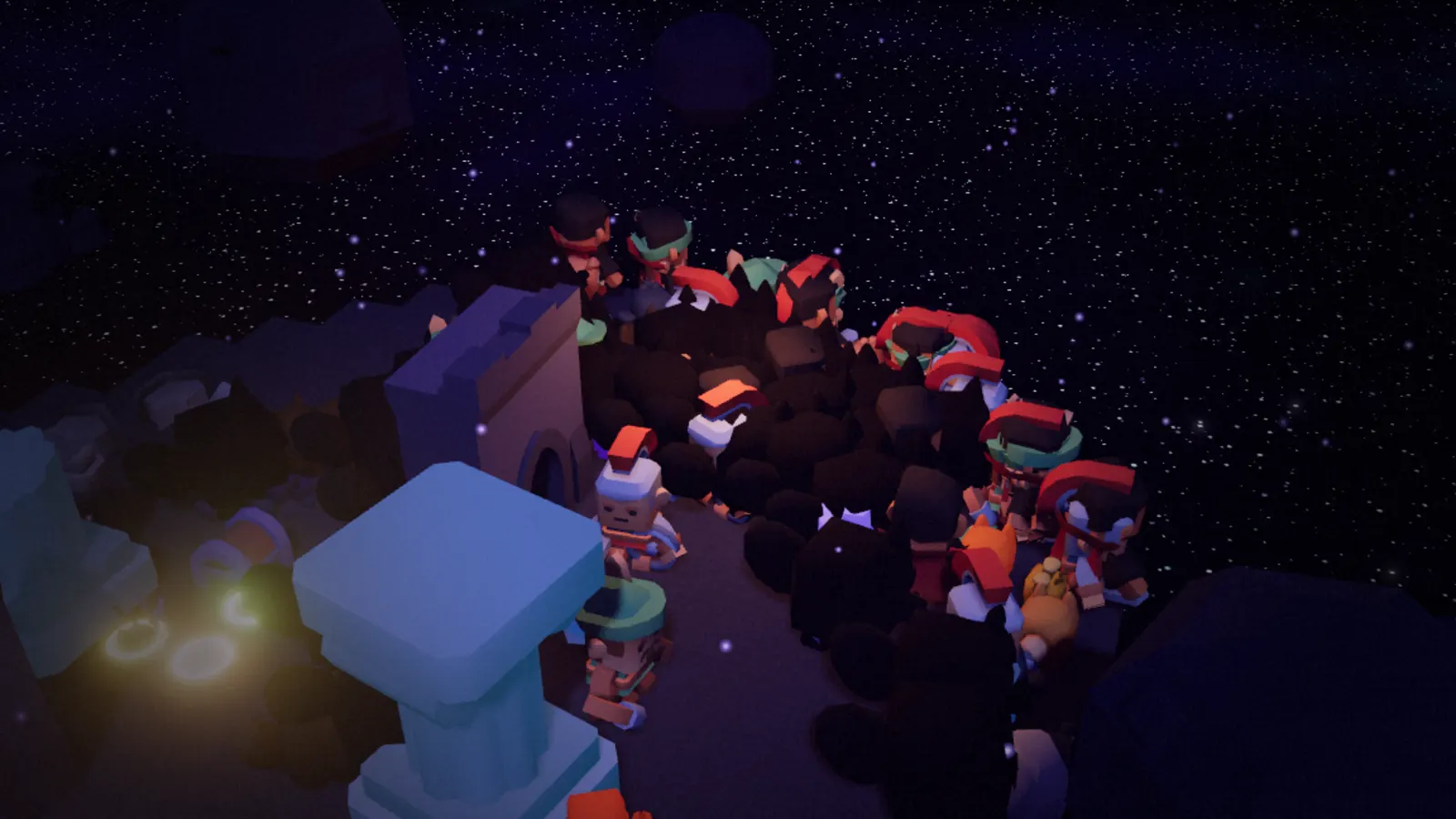
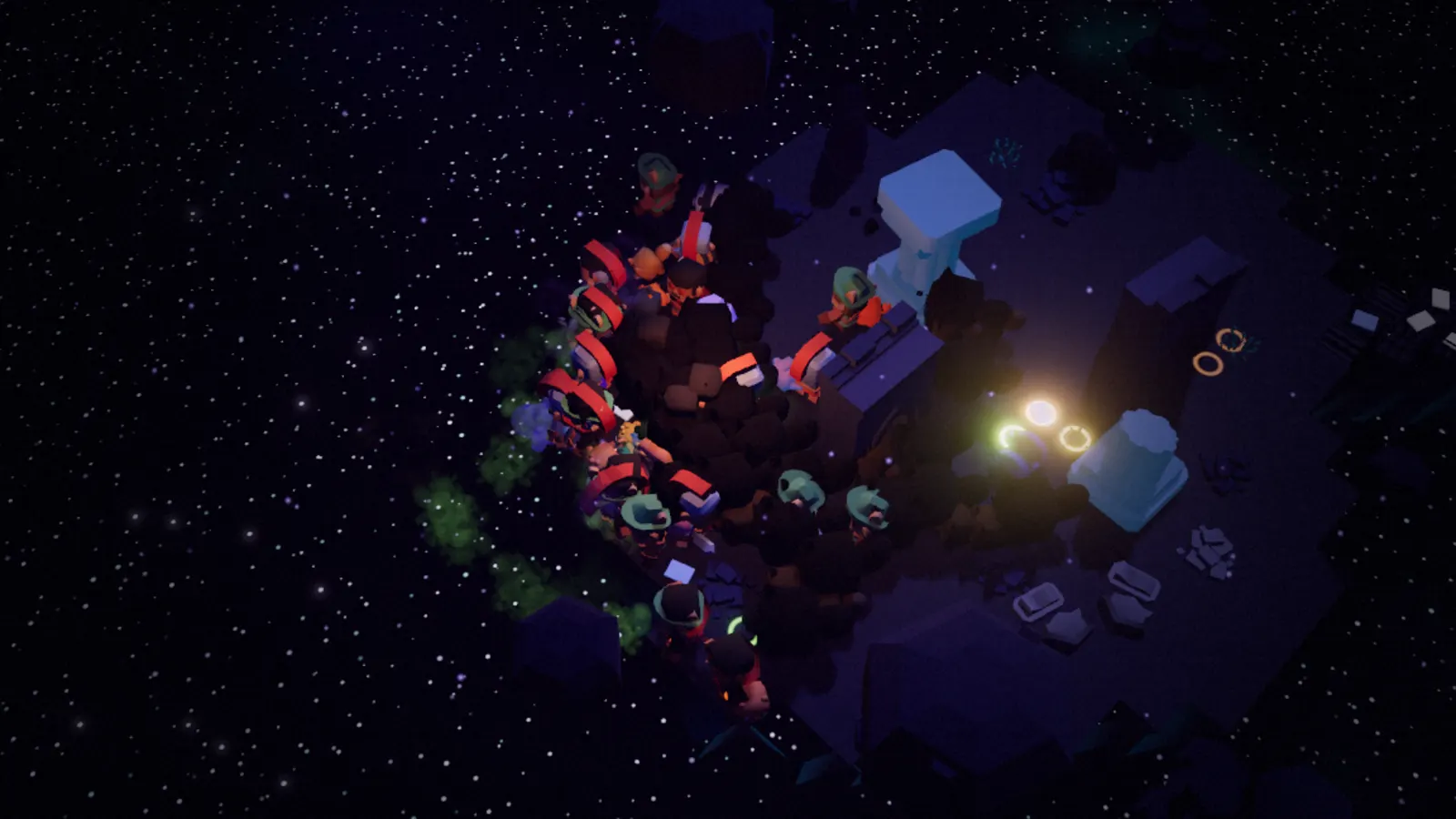
 IStart here
One day, forty agents: how Duskbound was built
A Diablo II style co-op ARPG built in one day by one orchestrating Claude directing 41 Opus 5.5 agents, from a 10:14 brief to six acts, an endgame, companions, admin, mobile and a trailer by evening.
Every post, in reading order
 II
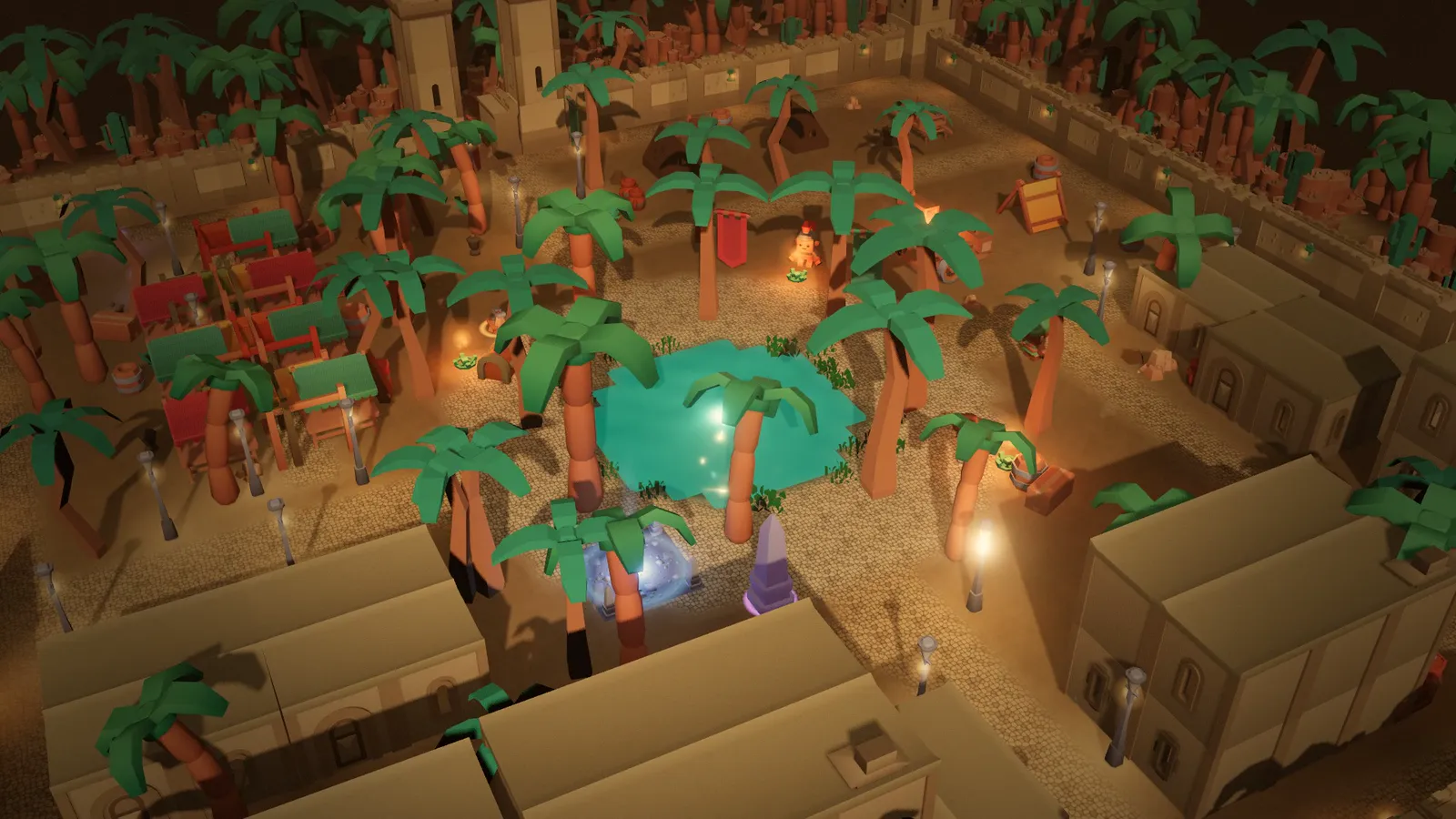
One process, one port, forty players
One Bun process serves SSR pages, the tRPC API and Colyseus game rooms on a single port, with Vite HMR sharing it in development.
 III
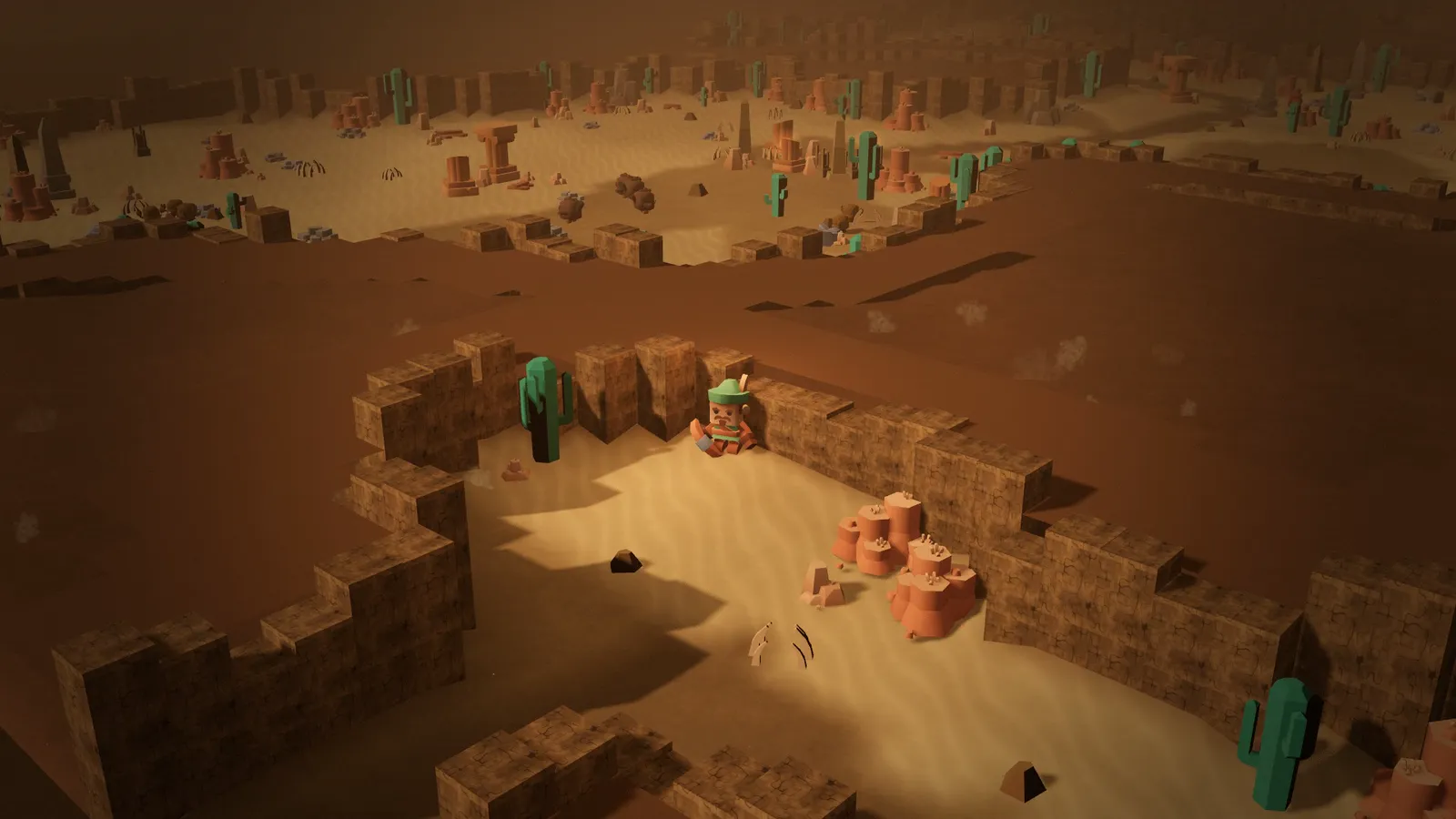
Worlds from a seed
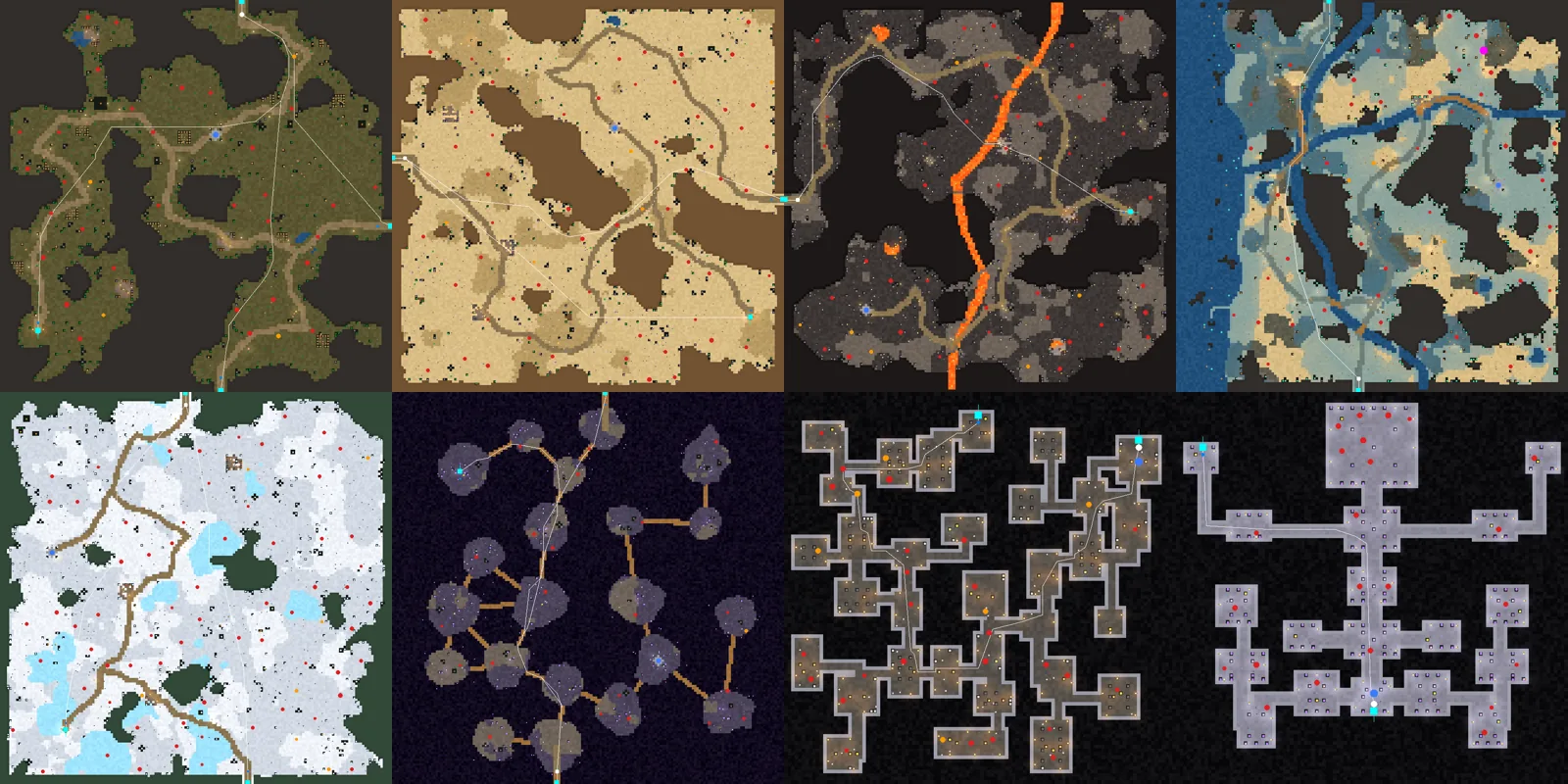
Every map is generated from a zone id and a 32-bit seed, byte-identical on server and browser, so no tile ever crosses the wire.
 IV
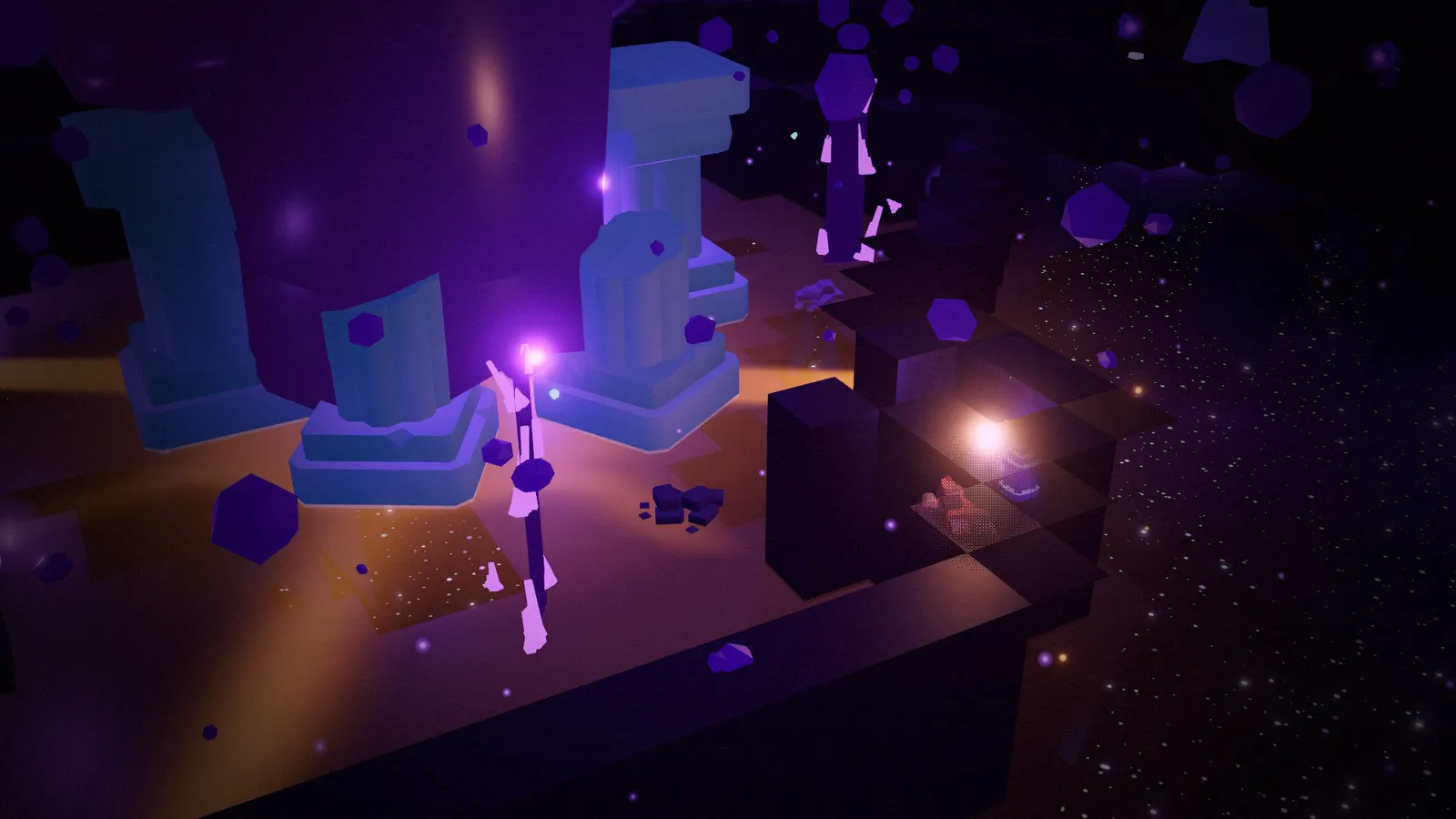
Six acts in an afternoon
Six acts, 63 zones, 34 biomes and 18 bosses, built by three parallel agents per batch working from a vocabulary-first commit.
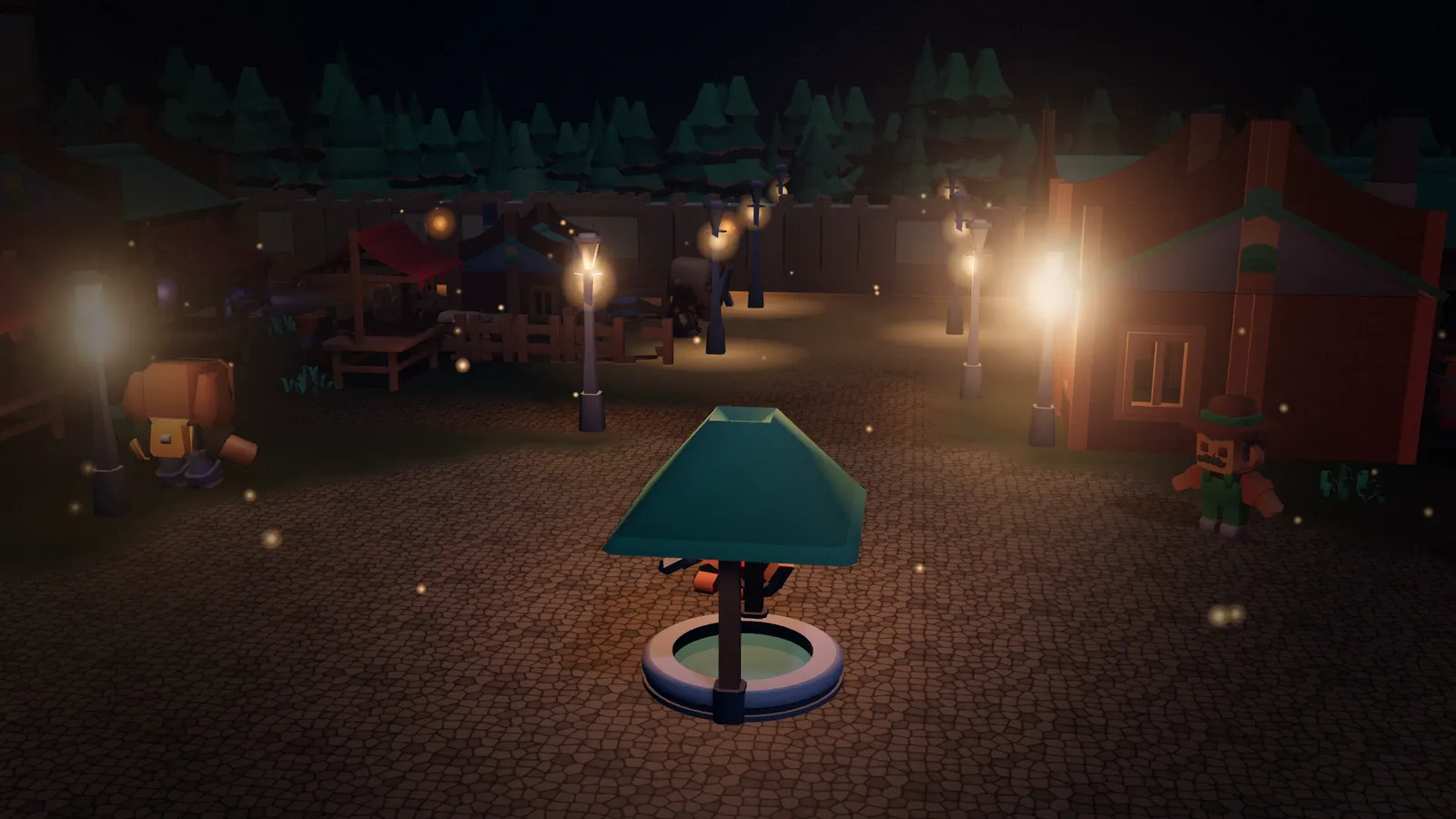 V
From Kenney kits to a cohesive world
Nineteen free Kenney kits turned into one world through a typed manifest, desaturated skins, composites built from kit parts and a 15.75 MB build.
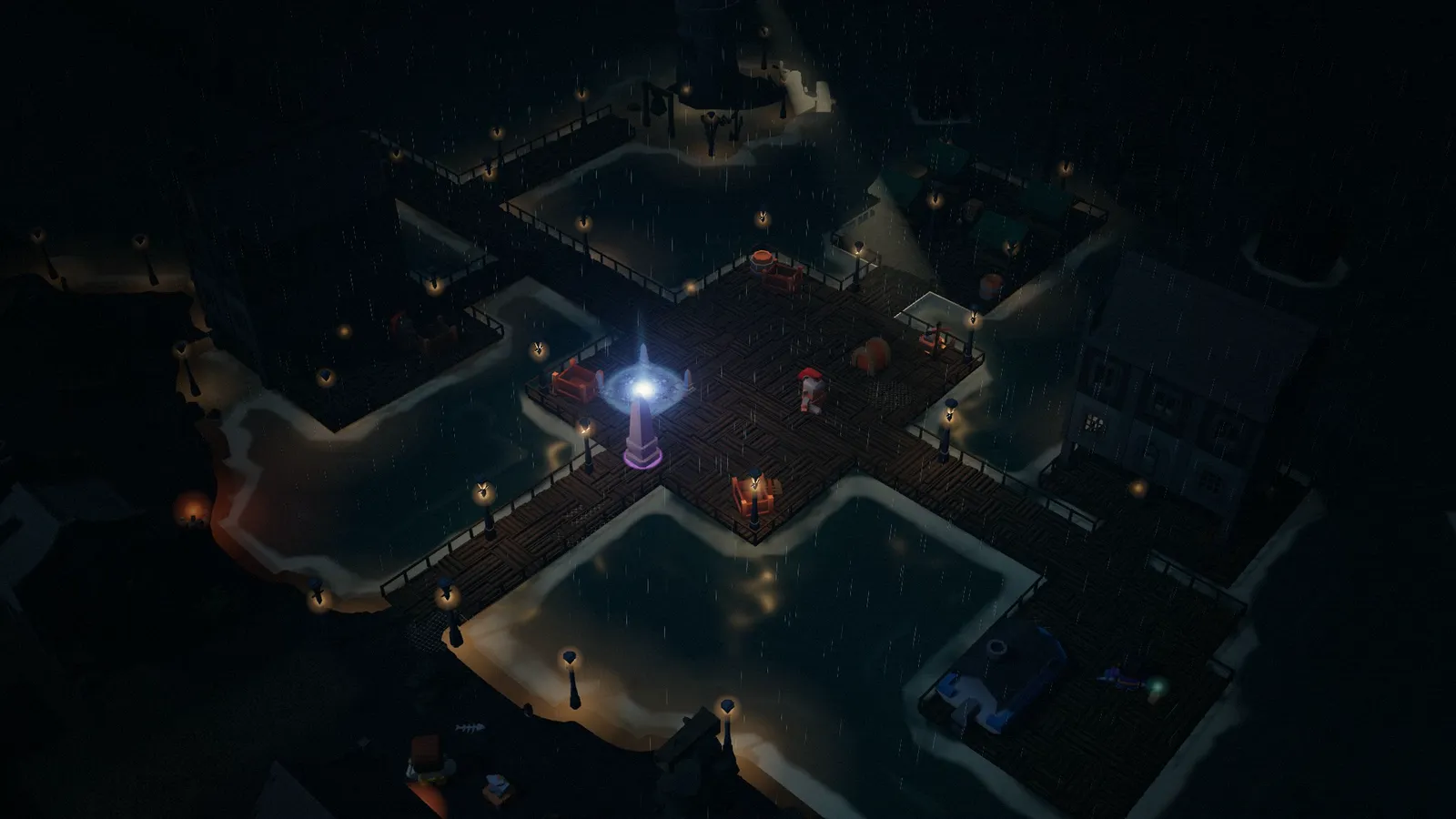 VI
Plain Three.js, pushed hard
No engine and no R3F: chunked instancing, a ten-slot light pool, dithered wall cut-outs, procedural lava, GPU weather and a per-biome post stack at 60 fps.
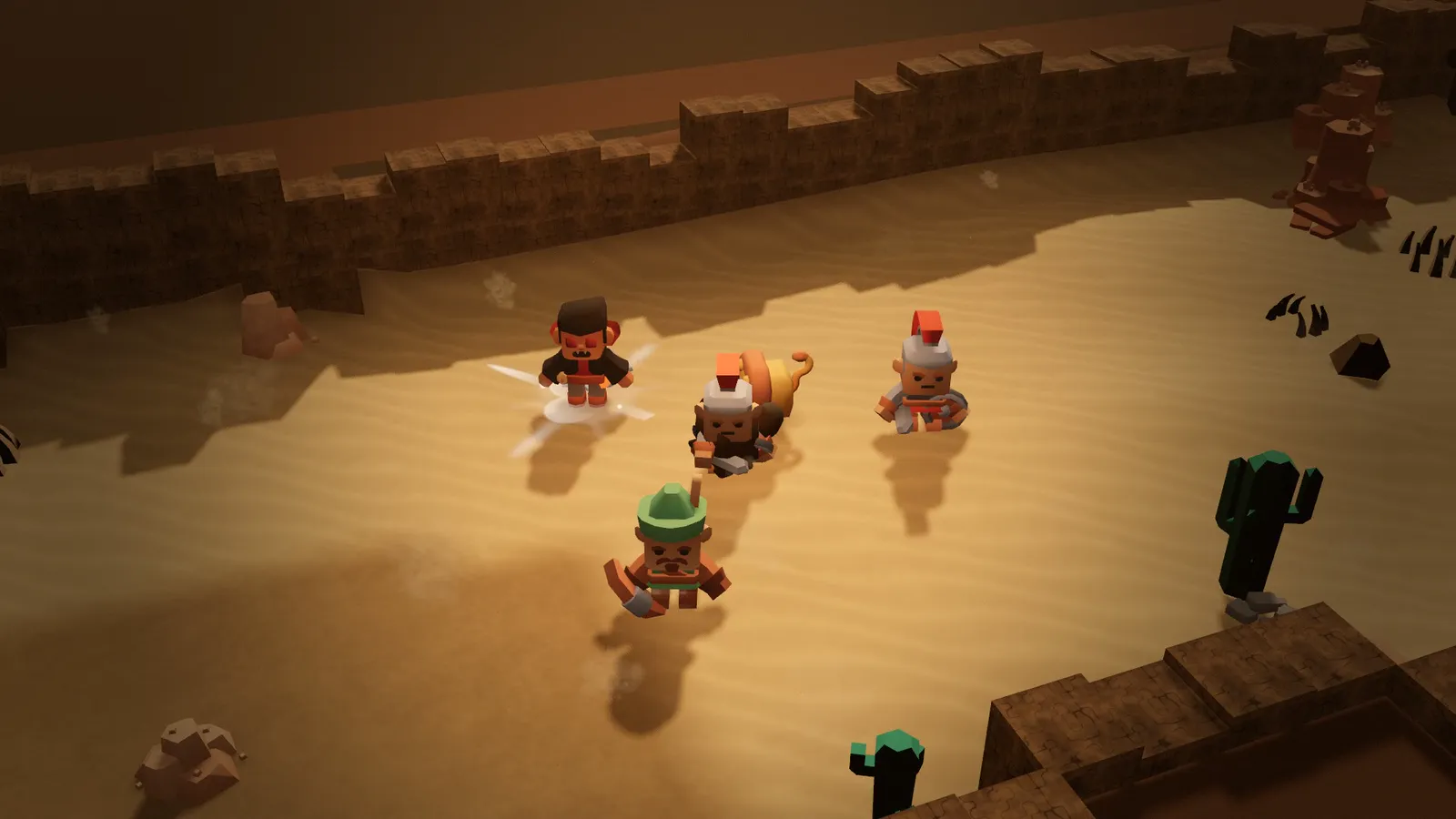 VII
Twenty ticks a second
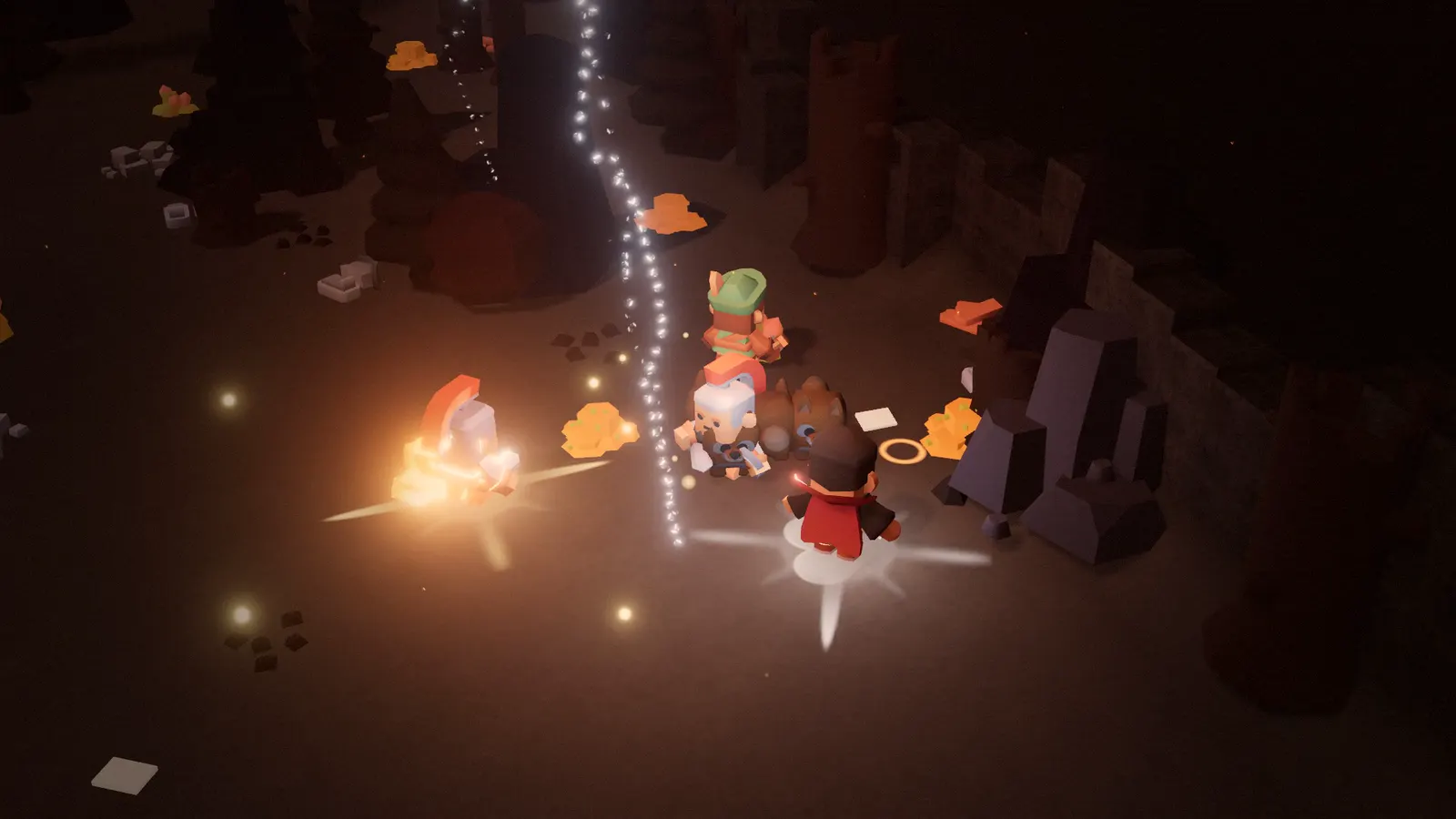
One click through the netcode, covering the 20 Hz authoritative tick, commands as intents, quantized patches, prediction reconciled against its own past, interpolation and effects as events.
 VIII
Diablo II's math, rebuilt as pure functions
Damage, hit chance, resistances, monster scaling and 54 skills as pure shared functions, pinned by balance tests that print their tables.
 IX
Loot, affixes, uniques, runewords and a pile only you can see
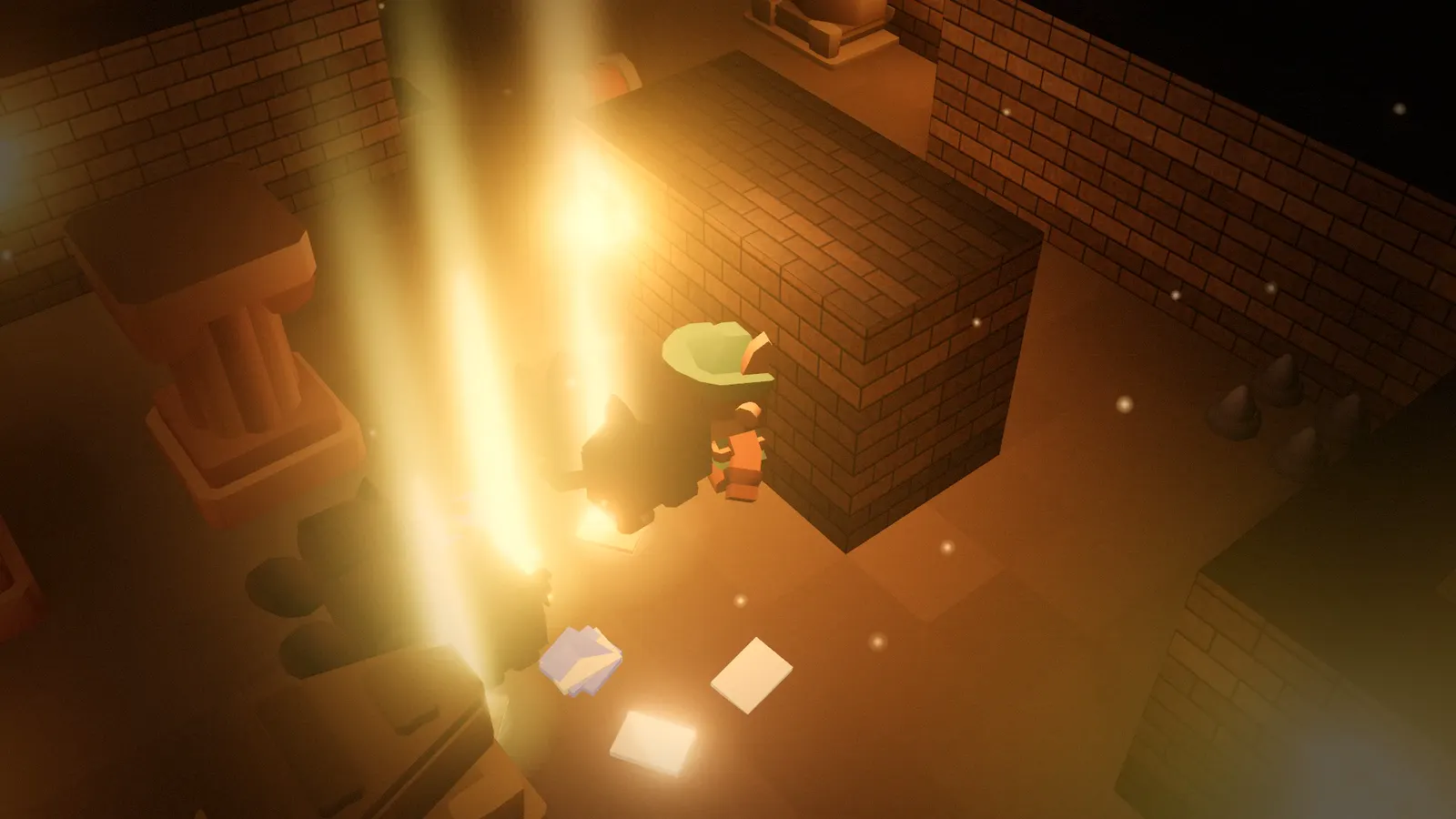
D2-style treasure classes, rarity rolls and diminishing magic find, instanced per-player piles, runes and the Gloam Anvil, and a live item database, with measured drop rates.
 X
Drawing every icon in code
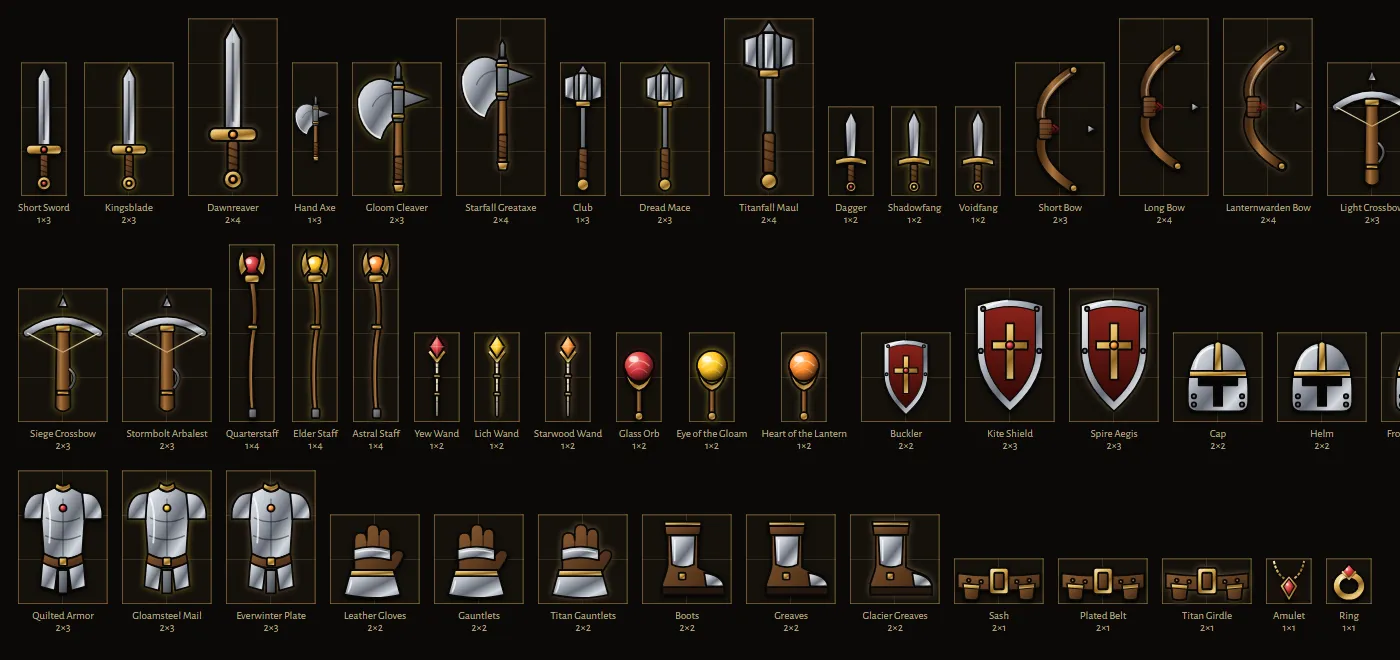
Every item and skill icon is procedural SVG drawn to D2 inventory footprints, inside a pure, mock-tested UI kit built before the game existed.
 XI
Bosses that rewrite their own arena
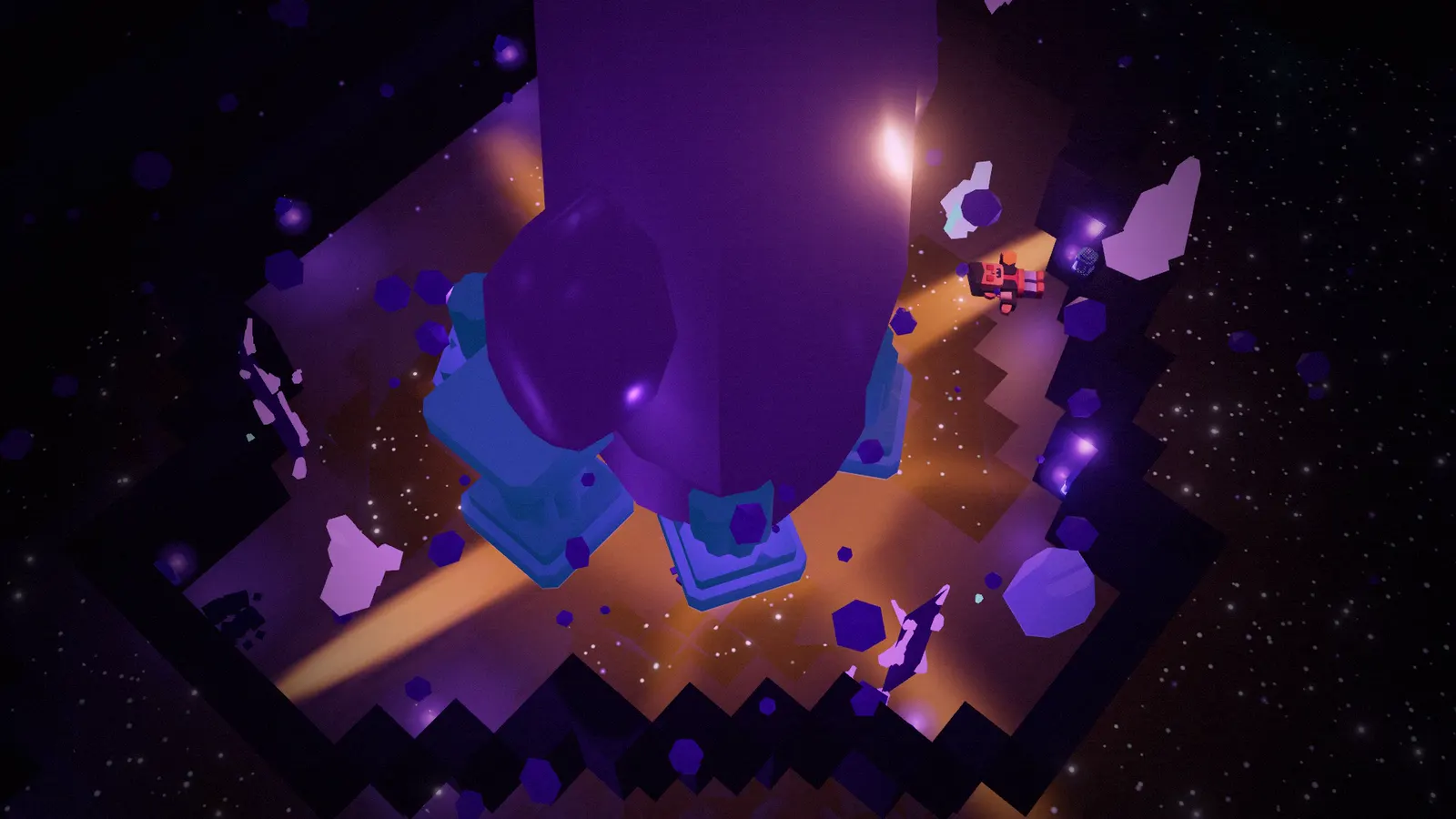
Eighteen multi-phase bosses as data, a three-voiced choir sharing one life pool, and two final bosses that rebuild the floor while pathfinding and prediction keep up.
 XII
Nightmare, Hell and the Gloam Rifts
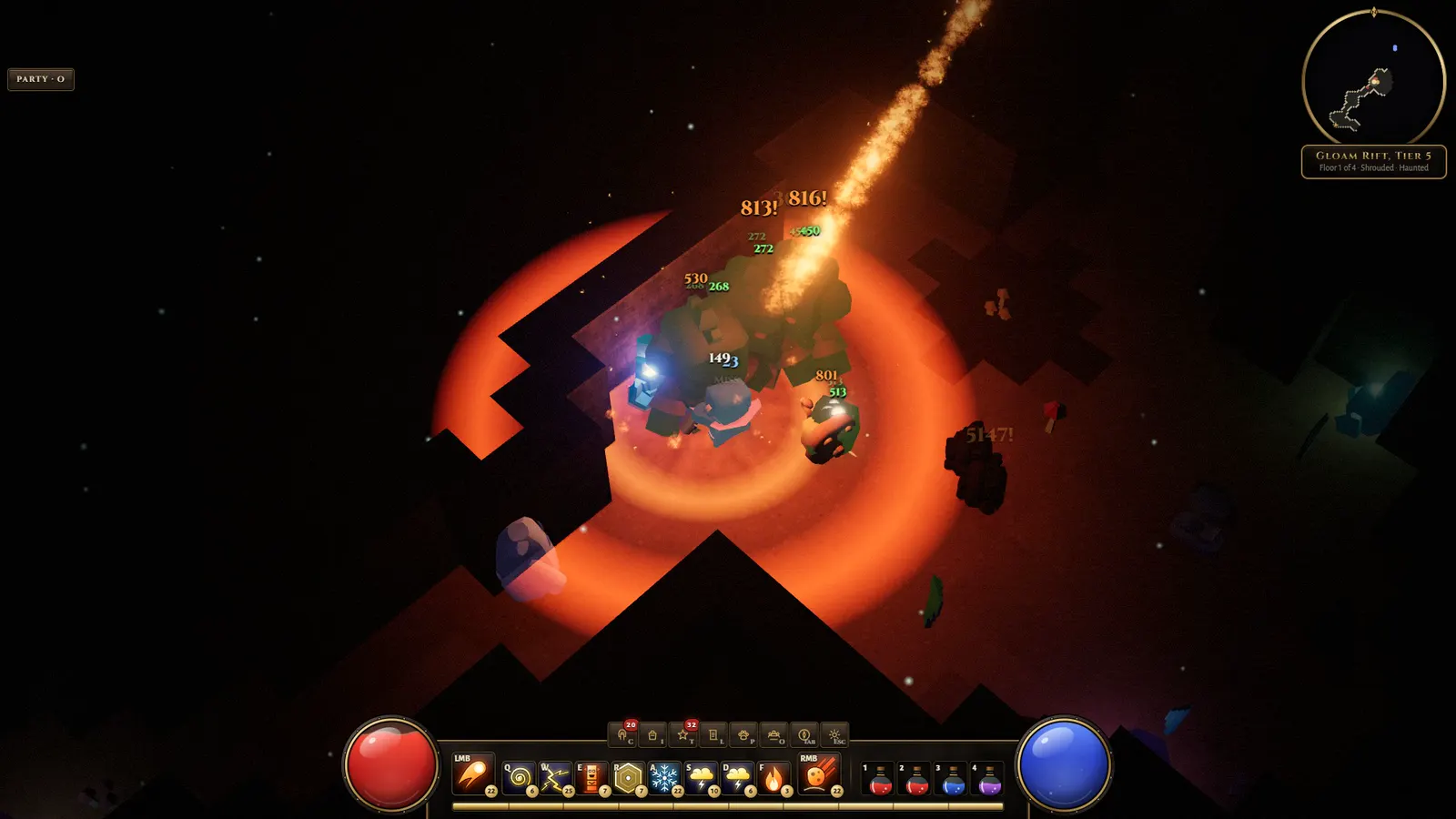
Three difficulties, monster stats refit by least squares, timed rifts on a three-part tier curve that survive restarts, a ladder, hardcore and Lantern Shards past 99.
 XIII
AI companions that are real heroes in the sim
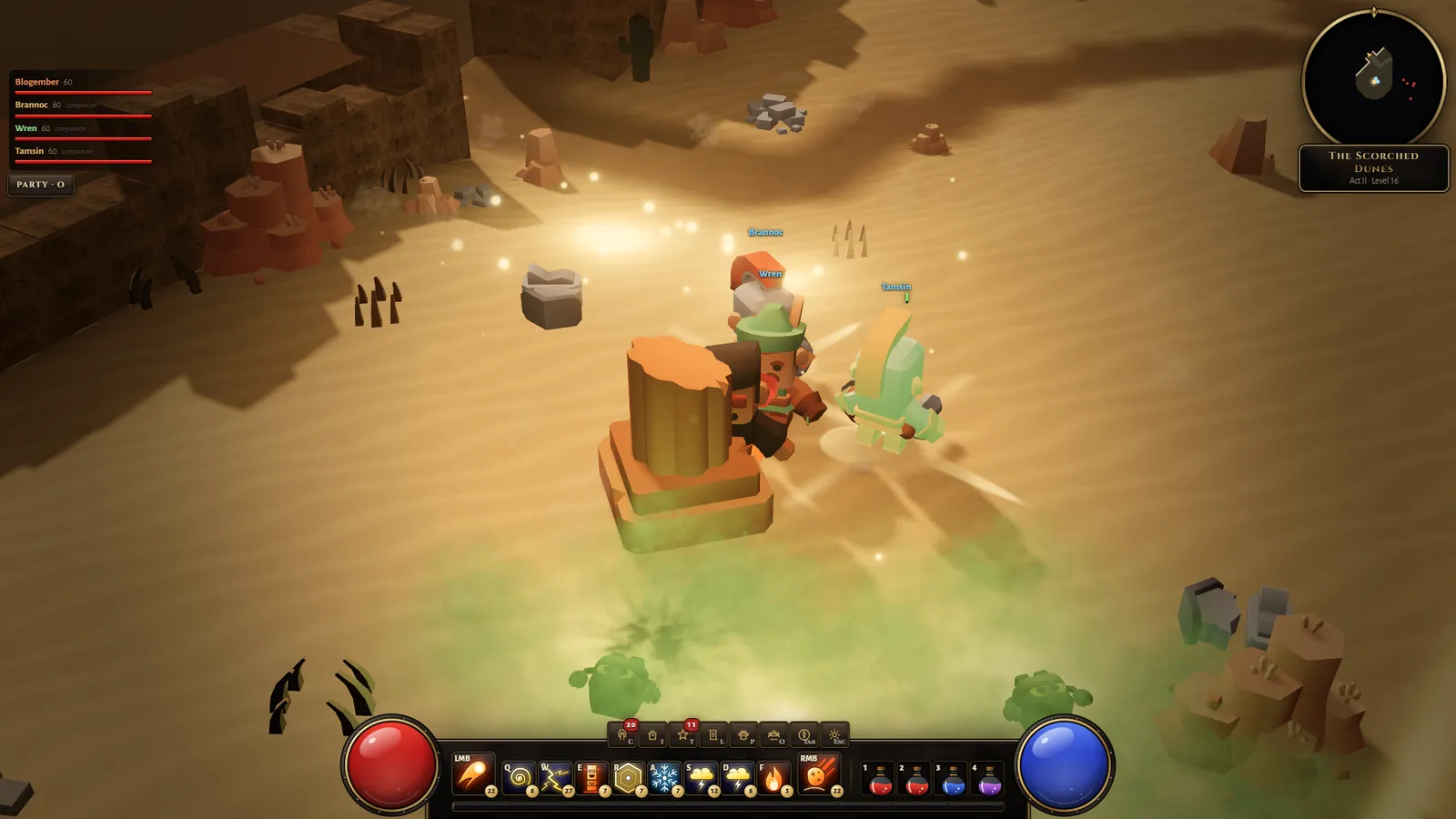
Recruitable AI party members that are ordinary SimPlayers driven by a 5 Hz brain sending client commands, yielding to real players, at 0.3 ms a tick for 120 of them.
 XIV
Pets, and a house you can walk into
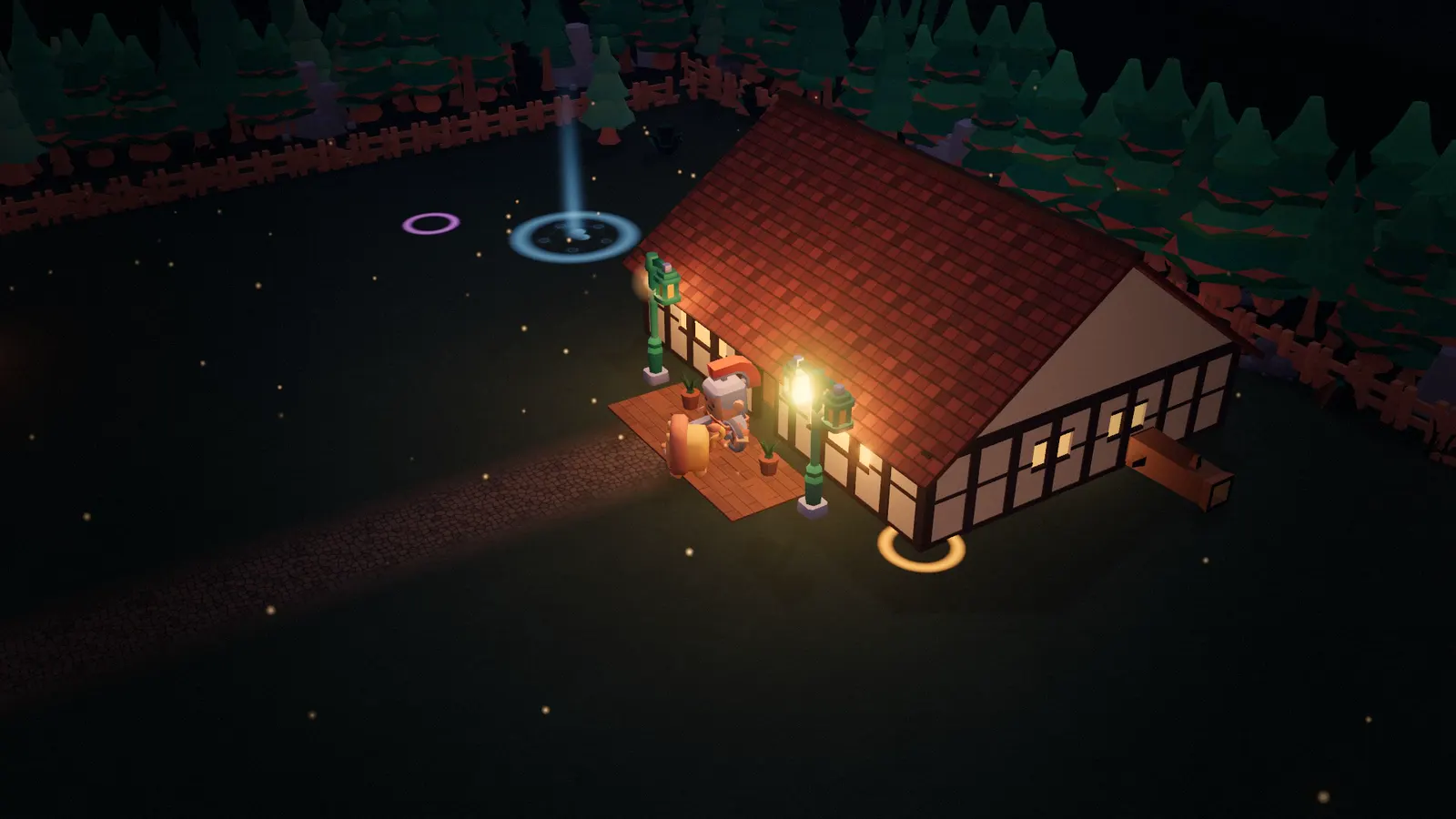
Thirty-four collectible pets that follow you and fetch gold at near-zero server cost, and a buildable walk-in cottage with trophies, derived rooms and visitors.
 XV
A couch ARPG in a browser tab, then the same code on a phone
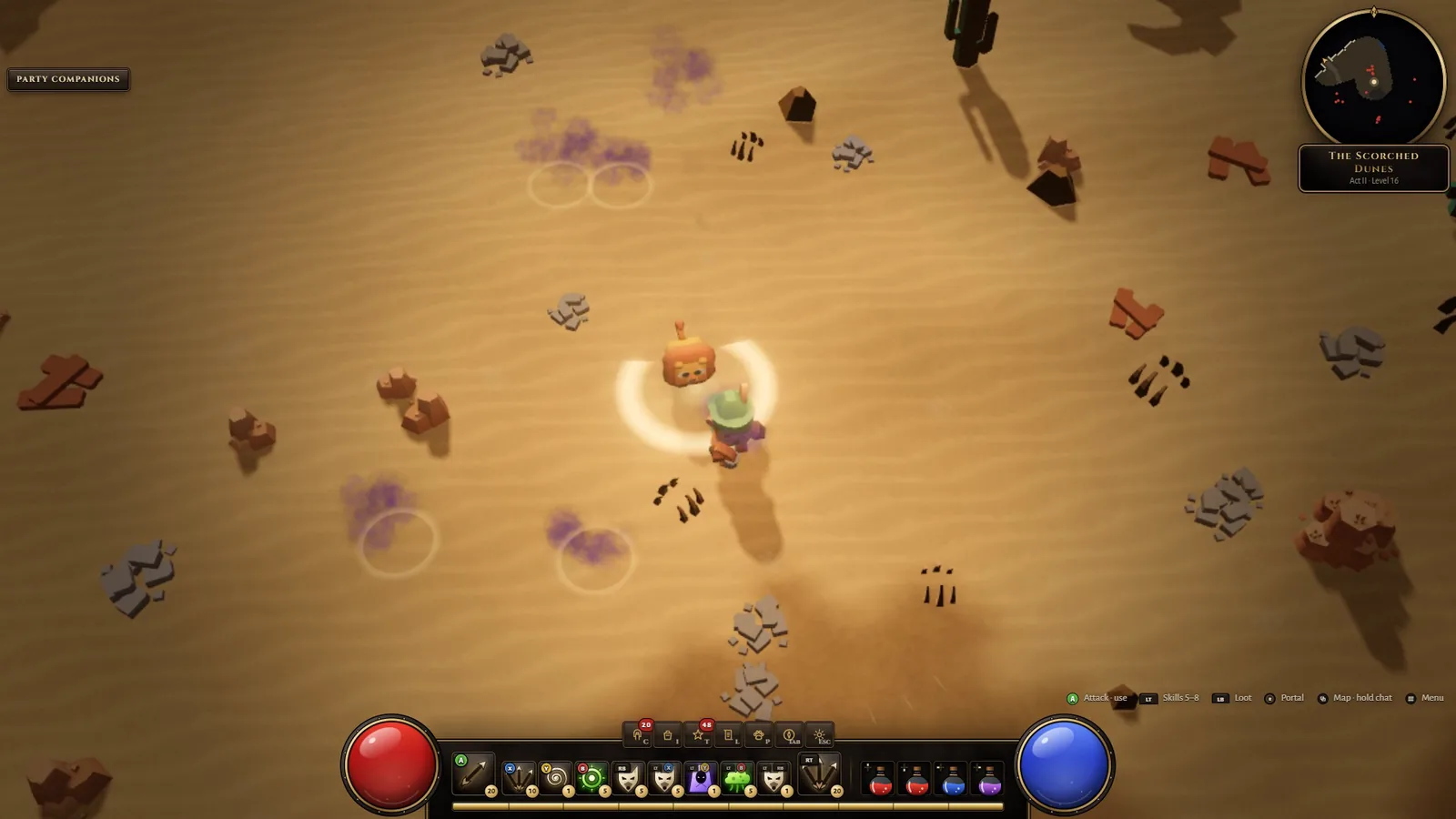
Console-style gamepad play with stick movement, a sticky cone auto-target and DOM-driven menu focus, then touch as a third pad, with phone sheets, tap-to-act items and a 27-step emulated-iPhone run.
 XVI
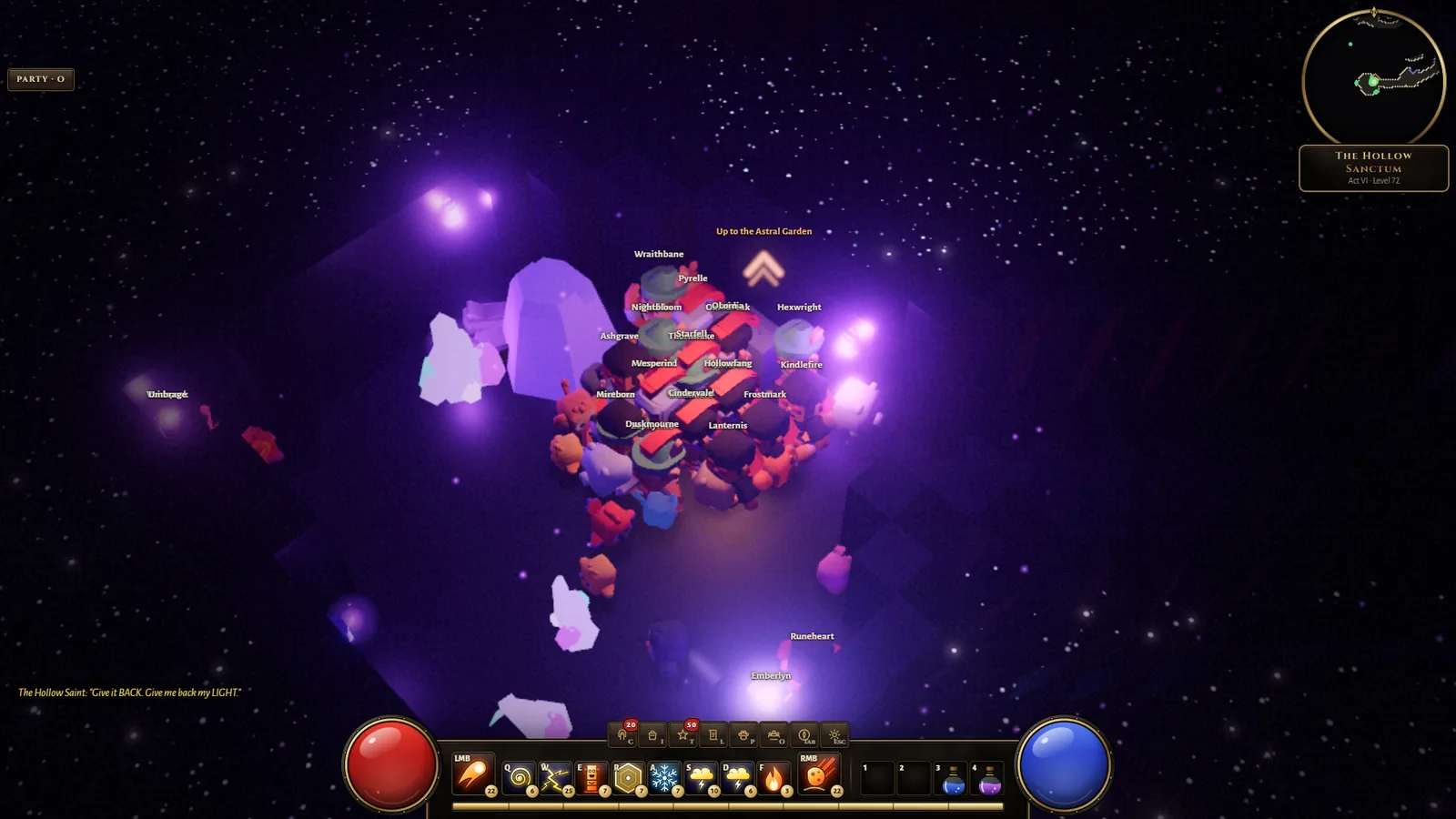
Forty heroes in one room, and what they did to the tick
Rooms, instances and parties in one Bun process, a forty-hero level-99 stress test that pushed the 20 Hz tick past 200 ms, and the batched, budgeted event fan-out that brought boss p95 under 5 ms.
 XVII
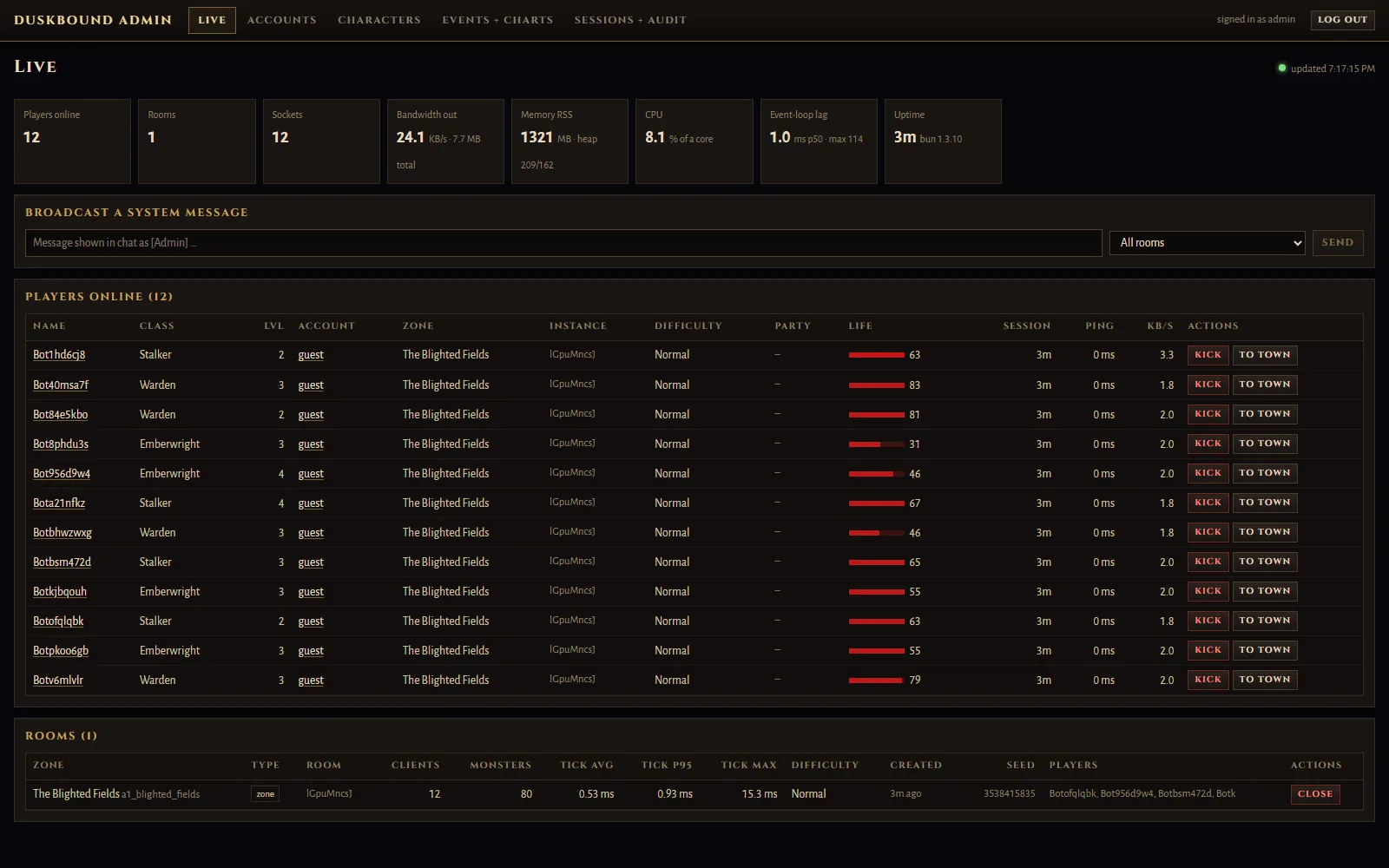
Seeing everything without breaking anything: the admin console
Live players and rooms, every hero rendered with the game's own panels, a self-hosted history, and audited levers that change a live hero through the room that owns it.
 XVIII
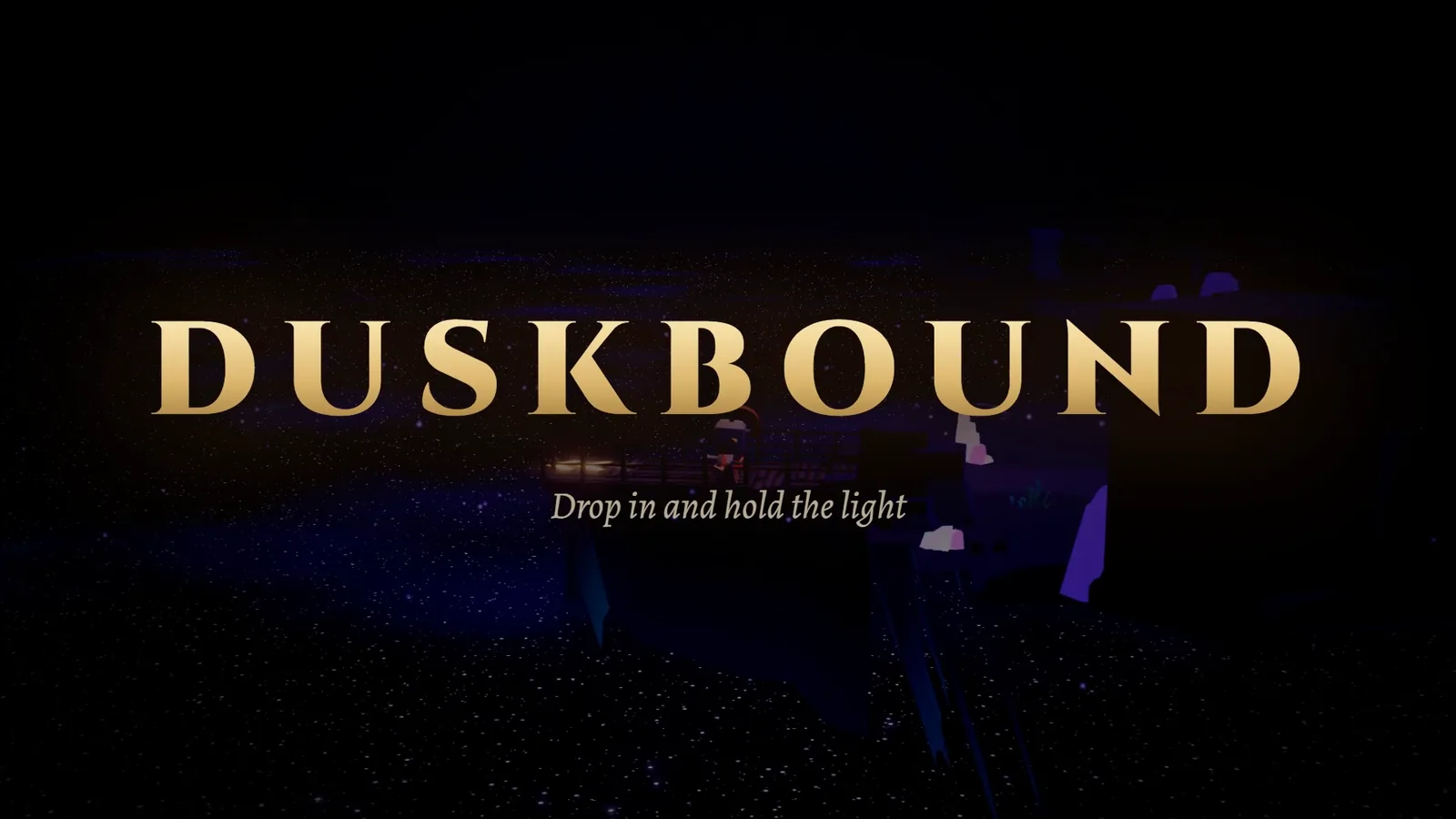
A trailer from real footage and a score written in numpy
150 in-engine clips shot at 1080p60 over CDP screencast, cut in Remotion on a 90 BPM grid, scored in numpy, with the narrator auditioned by machine.
 XIX
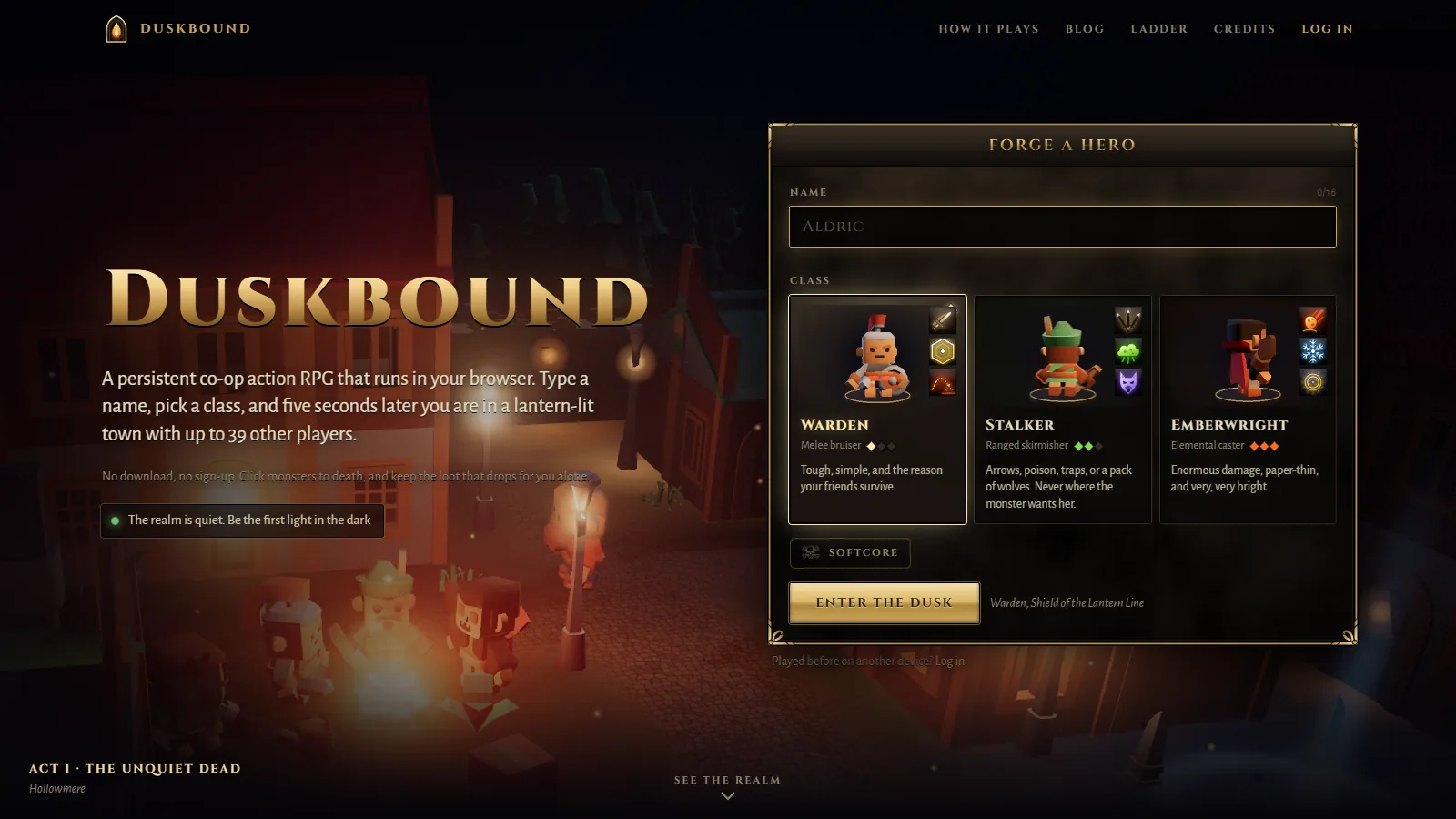
The game engine as a stage set, with no server behind it
The landing page runs the real engine with no server, class portraits share its one WebGL context, a 55-second lore intro hides the zone join, and Gloamreach becomes Duskbound.
 XX
Shipping it: Drydock, migrations and green SHAs
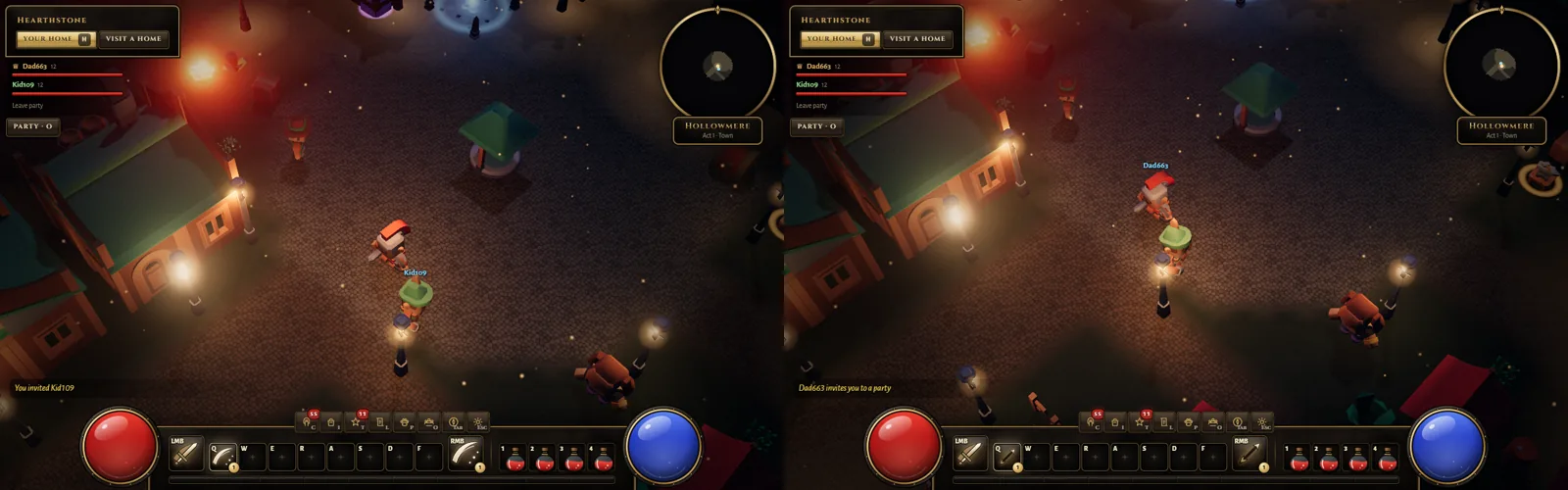
One arm64 ECS task behind Caddy, SSM secrets, migrations instead of db push, a release worktree that only pushes verified SHAs, and a SIGTERM path that saves every hero.
 XXI
Testing an ARPG that agents wrote
561 tests and 346,430 assertions covering procgen over hundreds of seeds, balance tables that fail the build and sim tests on the real World, plus browser and forty-client load harnesses.